Sustainable Solutions: How E-Waste Recycling Services Are Saving Our Planet
Electronic waste presents serious dangers to the environment, as disposed electronics frequently harbor hazardous substances. These hazardous substances can contaminate soil and water, causing extensive damage to surrounding ecosystems. Electronic waste recycling programs offer an effective remedy. They not only recover valuable resources but also mitigate pollution. Gaining insight into how these programs function and affect local communities is critical. The journey towards effective e-waste management raises critical questions about individual responsibility and collective action. What actions should be considered going forward?
How E-Waste Is Hurting the Planet
While technology enriches our daily lives, e-waste poses serious threats to the environment. Discarded electronic devices, frequently composed of dangerous compounds like lead, mercury, and cadmium, can leach toxins into the surrounding soil and water supply, creating hazards for both wildlife and human well-being. The swift progression of technology leads to greater consumer replacement of electronic devices, worsening the buildup of electronic waste.
Landfills, already overwhelmed with refuse, find it difficult to handle the increasing amounts of discarded devices. Incineration, a common waste management technique, emits dangerous pollutants into the environment, degrading atmospheric conditions. Moreover, poor recycling procedures can cause e-waste to be sent to developing regions, where employees may disassemble electronics without sufficient safety precautions, leaving them vulnerable to harmful substances. This pattern of negligence and mismanagement highlights the critical demand for eco-friendly recycling alternatives that can reduce the damaging impact of electronic waste on the environment.
What Is E-Waste and Why Does It Matter?
E-waste, or electronic waste, encompasses discarded electronic devices such as smartphones, computers, and televisions that have exceeded their operational lifespan. This rapidly expanding waste category is noteworthy owing to its accelerating volume, propelled by advances in technology and evolving consumer behaviors. As more devices become obsolete, the environmental impact intensifies, with harmful substances like lead, mercury, and cadmium threatening both ecosystems and public health.
The significance of tackling e-waste extends beyond minimizing these risks to recognizing the valuable resources it holds. Critical metals and rare earth components can be reclaimed and recycled, decreasing the reliance on mining and protecting natural resources. Through a deeper awareness of e-waste and its consequences, both individuals and organizations can make well-informed choices regarding disposal and recycling, thereby supporting a more sustainable future. Effective handling of e-waste is vital for encouraging a circular economy and advancing environmental responsibility.
How the E-Waste Recycling Process Works
E-waste recycling entails an organized procedure aimed at reclaiming useful resources while limiting Read this ecological damage. To begin, e-waste is collected and transported to purpose-built recycling plants. Upon arrival, the devices undergo thorough sorting to separate hazardous components from recyclable materials.
After this step, specialists take apart the products, removing glass, metals, and plastics. This stage is crucial, as it facilitates the extraction of rare metals like copper, gold, and silver, which can be reused in modern electronics.
Next, the isolated materials are processed using advanced techniques, such as shredding and chemical treatments, to purify them for recycling.
Ultimately, the residual dangerous materials are managed properly, following environmental regulations. This multi-step approach not only saves important resources but also reduces the dangers connected to irresponsible electronic waste disposal, ensuring a more sustainable future for electronic device usage.
Why E-Waste Recycling Matters for You and Your Community
Though many people are unaware, the benefits of e-waste recycling reach well past personal use to meaningfully influence entire communities. By responsibly disposing of electronic waste, individuals help foster a healthier environment, reducing harmful substances that can contaminate soil and water. This forward-thinking practice actively safeguards local ecosystems and advances public health.
Furthermore, e-waste recycling fosters job creation within communities. Local recycling facilities often require personnel for numerous tasks, from collection to processing, therefore offering work opportunities for community members. This not only boosts the local economy but also fosters community involvement in eco-friendly practices.
Additionally, familiarity with e-waste recycling has the potential to generate awareness campaigns, encouraging residents to embrace sustainable practices. By enrolling in e-waste recycling programs, individuals foster a culture of sustainability, inspiring others to follow suit. All things considered, the collective impact of these actions can contribute to a more sustainable and conscientious community.
How to Choose an E-Waste Recycling Service
Picking the right e-waste disposal service is crucial for ensuring that electronic refuse is processed responsibly and sustainably. To begin, consumers should check the company's accreditations, such as R2 or e-Stewards, which demonstrate conformance to professional guidelines for secure waste disposal procedures. Additionally, it is advisable to examine the company's credibility by reviewing feedback and obtaining referrals from reliable sources.
Next, clarity in the recycling process is essential. A reliable provider should provide clear information about the way e-waste is handled and what happens to the materials. Moreover, considering the scope of services provided can prove valuable; various firms may supply retrieval services or extend benefits for recycling.
Furthermore, familiarizing yourself with area-specific requirements for e-waste disposal can further guide the evaluation process. By taking these elements into account, residents can actively participate in effective e-waste management as well as promoting green and responsible behaviors.
How You Can Take Part in E-Waste Recycling?
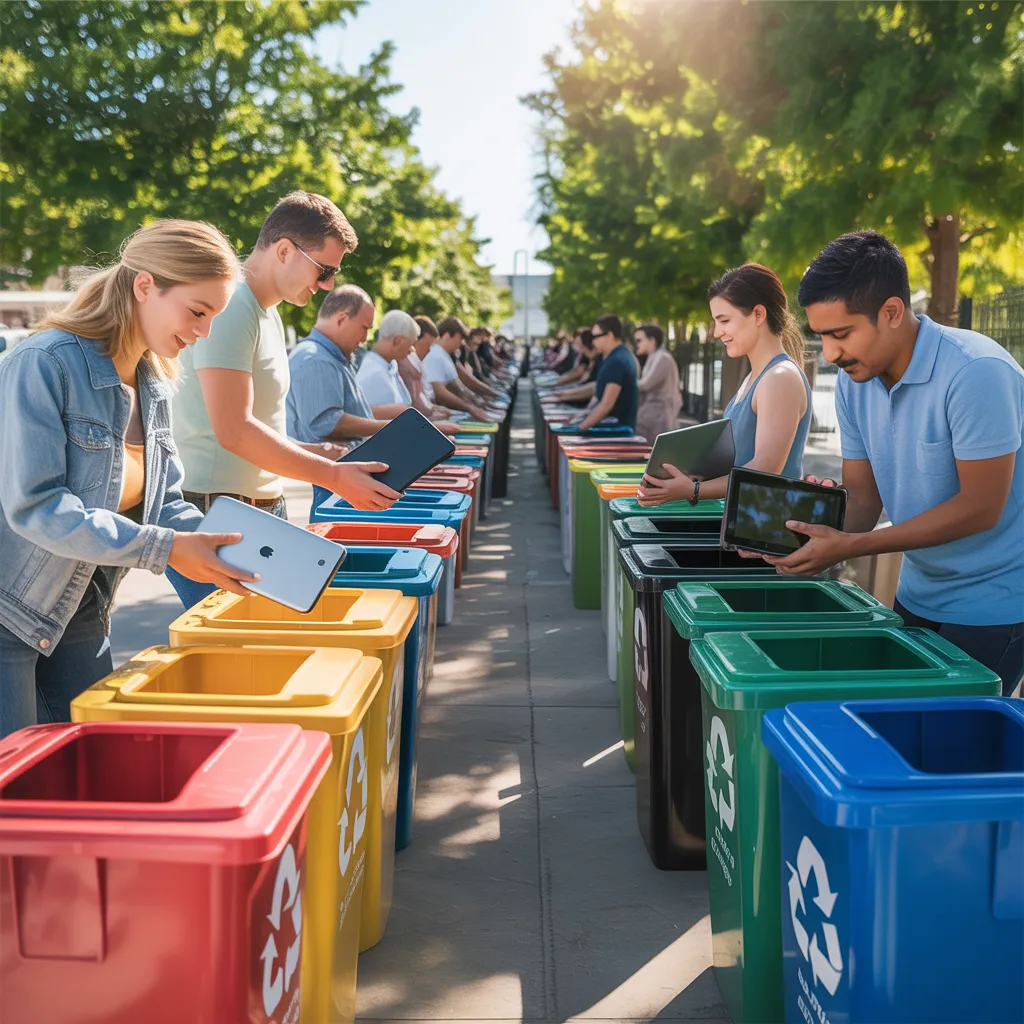
Participating in e-waste recycling often starts at the local level, where community recycling hubs frequently offer essential services for safe disposal. Additionally, joining community awareness campaigns can strengthen efforts to raise awareness about the importance of responsible e-waste management. These initiatives not only advance environmental sustainability but also cultivate a collective sense of responsibility toward the environment.
Nearby Recycling Facilities
Several local recycling centers perform an important function in the recycling of e-waste, offering communities convenient opportunities to dispose of electronic waste responsibly. These facilities handle a range of electronic items, including outdated computers, mobile phones, and TVs, ensuring that harmful materials are handled safely. Many hubs feature experienced team members who support individuals in understanding proper disposal practices, highlighting the value of recycling rather than landfilling. Additionally, numerous facilities provide drop-off events or designated collection days, making it easy for residents to participate. Through the use of these community services, community members advance a circular economy, decreasing environmental damage and advancing sustainable approaches. Partnering with these facilities allows communities to address e-waste pollution proactively.
Community Education Campaigns
Community groups, educational institutions, and companies can collaborate to host events that promote e-waste collection drives. Volunteers can play a pivotal role in promoting knowledge, handing out educational content, and interacting with the surrounding community. By means of these joint initiatives, local inhabitants gain greater awareness and encouragement to properly recycle their e-waste, thereby helping to build a greener and more sustainable tomorrow.
Questions We Often Receive
What Types of Electronics Can Be Recycled?
Numerous electronics can be recycled, including smartphones, computers, laptops, televisions, printers, and gaming consoles. Furthermore, accessories such as keyboards, mice, and batteries are equally appropriate for recycling, supporting efforts to conserve the environment.
Do Any Costs Come With E-Waste Recycling?
Yes, e-waste disposal may involve costs, based on the service provider. Certain providers charge fees for collection or processing, while some providers provide no-cost solutions, often subsidized by the resale of recovered materials.
How Can Businesses Benefit From E-Waste Recycling?
Companies can take advantage of e-waste recycling by lowering disposal expenses, enhancing their environmental image, adhering to regulatory requirements, extracting valuable resources, and possibly earning income through resale, ultimately contributing to a more sustainable operational strategy.
What Occurs with Data on Recycled Devices?
Data regarding recycled devices is frequently permanently erased or obliterated throughout the recycling process. This ensures confidential data remains secure, preventing unauthorized access while allowing components to be repurposed carefully and ethically in new products.
Are Broken Electronics Eligible for Recycling?
Yes, damaged electronics are able to be recycled. Several centers accept broken devices, guaranteeing safe disposal and recovery of useful materials. Doing so helps minimize the environmental footprint while encouraging responsible recycling practices to address e-waste properly.